

Most of us spend plenty of time taking care of our skin. We invest in good cleansers, moisturizers, serums, and professional facials to maintain a healthy, glowing complexion.
But there’s something we often overlook: the muscles underneath our skin.
Think about how much your face does throughout the day. You talk, smile, chew, concentrate, and occasionally clench your jaw without even realizing it.
By the end of a particularly stressful day, you might notice tension around your cheeks, tightness along your jawline, or an expression that looks more tired than you actually feel.
That’s where Buccal Massage offers a different approach to facial care.
Unlike traditional facial treatments that focus primarily on the skin’s surface, Buccal Massage works directly with the muscles of the face, including areas that can be accessed from inside the mouth.
The goal isn’t to change your features. It’s to help release tension, encourage natural facial relaxation, and support a more refreshed appearance without injections or invasive procedures.
What Is Buccal Massage?
Buccal Massage, also known as Intra-Oral Buccal Massage, is a specialized facial massage technique that works with the muscles surrounding the cheeks, mouth, and jaw.
The word buccal refers to the cheek area.
What makes this treatment different from a traditional facial massage is the intra-oral technique.
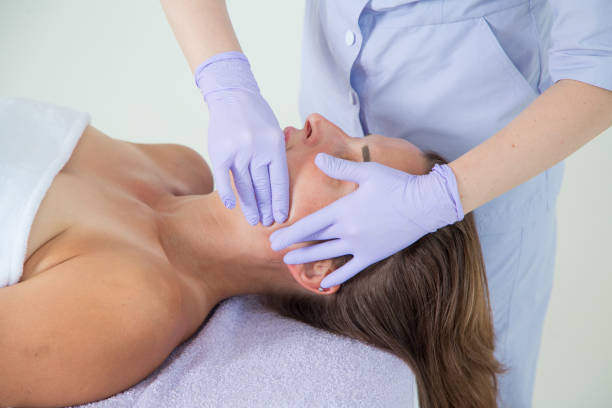
A trained practitioner wears clean, disposable gloves and gently massages certain facial muscles from inside the mouth while using their other hand to support and manipulate the tissues externally.
This two-sided approach provides access to areas that can be difficult to work on through external massage alone.
The treatment typically focuses on muscles involved in chewing, speaking, and facial expressions, particularly those surrounding the jaw and cheeks.
For people who regularly clench their teeth, hold tension in their jaw, or simply want to explore natural facial sculpting, Buccal Massage offers an interesting alternative to conventional facial treatments.
Rather than changing the structure of your face, the technique focuses on relaxing the muscles and supporting your natural facial contours.
Why Your Facial Muscles Need Attention
Your facial muscles work constantly, often without you noticing.
Consider a typical workday.
You might clench your jaw while concentrating, tighten your cheeks during a stressful conversation, or spend hours looking down at your phone with tension building around your neck and jaw.
These everyday habits can contribute to muscle tightness, especially around the masseter muscles located along the sides of your jaw.
The masseter is one of the primary muscles responsible for chewing. When it’s repeatedly overworked through clenching or grinding, it may become tender or uncomfortable.
You might experience:
- Tightness or fatigue around your jaw
- Tenderness in the cheeks or temples
- A feeling of tension after long periods of concentration
- Discomfort associated with habitual jaw clenching
- Difficulty fully relaxing your facial expression
Although these symptoms can have several causes, including dental and temporomandibular joint conditions, muscular tension is an important factor to consider.
Buccal Massage uses targeted manual techniques to help relax these muscles and ease everyday facial tightness.
For persistent pain, limited jaw movement, or suspected TMJ dysfunction, a dentist or qualified healthcare professional should evaluate the underlying cause.
5 Benefits of Buccal Massage Worth Knowing
One reason Buccal Massage has become increasingly popular among people interested in natural facial rejuvenation is that it combines elements of facial wellness, muscle relaxation, and aesthetic care.
Here are five potential benefits worth understanding.
- Helps Release Jaw and Cheek Tension
If you frequently clench your teeth or notice tightness around your cheeks, Buccal Massage may help encourage muscular relaxation.
By working with the muscles from both inside and outside the mouth, the expert can focus on areas that may feel particularly tense.
Some people notice that their jaw feels more relaxed or comfortable after a session.
However, Buccal Massage isn’t a medical treatment for teeth grinding, TMJ disorders, or chronic jaw pain.
- Supports Natural Facial Sculpting
Facial sculpting doesn’t necessarily mean dramatically changing the way your face looks.
Sometimes, relaxing tight muscles and reducing the appearance of temporary puffiness can help facial features appear softer and more refreshed.
Buccal Massage focuses on the muscles surrounding the cheeks and jawline, making it a popular choice for people seeking a non-invasive approach to facial contour care.
Results are generally subtle and temporary, and they vary from person to person.
- Encourages a More Relaxed Facial Expression
Stress doesn’t always stay in your shoulders.
It can also show up in your jaw, forehead, and cheeks.
When facial muscles remain tense, your resting expression may appear tighter than usual.
Through gentle, targeted manipulation, Buccal Massage can help encourage those muscles to relax.
The result may be less about looking different and more about looking like yourself after a genuinely restful weekend.
- Provides a Natural Alternative for Facial Wellness
Not everyone is interested in injectables, fillers, or cosmetic procedures.
Some people simply want to support their appearance through hands-on techniques that work with their natural features.
Buccal Massage fits into that approach by focusing on muscular relaxation and non-invasive facial care.
It won’t replicate the effects of cosmetic procedures or permanently lift facial tissues, but it offers another option for those who prefer a more natural approach to aging gracefully.
- Creates an Opportunity for Deep Relaxation
One of the most overlooked benefits of facial massage is the opportunity to disconnect.
Between demanding schedules, long commutes, and constant screen time, many people rarely give themselves permission to fully relax.
A Buccal Massage session offers dedicated time to slow down while receiving focused attention on an area of the body that often carries unnoticed tension.
For some clients, that sense of relaxation is just as valuable as the aesthetic benefits.
What Happens During a Buccal Massage Session?
If the idea of massage inside your mouth sounds unusual, you’re not alone.
It’s often the first question people have when learning about Buccal Massage.
Fortunately, a professional treatment is designed to be controlled, hygienic, and adapted to your comfort level.
Here’s what you can generally expect.
Step 1: Consultation and Facial Assessment
Your expert begins by discussing your goals, areas of tension, and any relevant health concerns.
This is also the time to mention recent dental procedures, jaw discomfort, sensitivities, or anything else that could affect your treatment.
Step 2: External Facial Massage
Most Buccal Massage treatments begin with massage along the outside of the face.
The expert may work around the cheeks, jawline, temples, and neck to help prepare the muscles and encourage relaxation.
Depending on the treatment, this may include elements of sculptural or myofascial massage.
Step 3: Intra-Oral Buccal Technique
Once you’re comfortable, the expert puts on fresh disposable gloves and begins the intra-oral portion of the treatment.
Using gentle, controlled movements, they work along the inside of the cheeks while supporting the facial tissues externally.
You may notice areas of tightness or tenderness, particularly around muscles that are frequently used for chewing or clenching.
The pressure should remain manageable, and your expert should adjust it whenever necessary.
Step 4: Finishing Massage and Relaxation
The treatment may conclude with additional external facial massage to help relax the cheeks, jaw, and surrounding areas.
Afterward, some people notice that their face feels lighter, their jaw feels less tense, or their expression appears more relaxed.
There is generally no downtime, although mild temporary tenderness or redness can occur.
Does Buccal Massage Hurt?
A common misconception is that a deeper or more intense massage must be more effective.
That’s not necessarily true.
Buccal Massage should involve controlled pressure rather than forceful manipulation.
Some areas may feel sensitive, particularly if you carry significant tension around your jaw. However, the treatment shouldn’t cause sharp pain or excessive discomfort.
A skilled expert will work within your comfort level, explain each stage of the process, and adjust their technique based on your feedback.
If you’re new to intra-oral massage, it’s perfectly reasonable to begin with lighter pressure and become familiar with the sensation.
The experience should feel supportive and relaxing, not overwhelming.
Can Buccal Massage Naturally Lift Your Face?
Buccal Massage is frequently associated with natural facial lifting and sculpting, but it’s important to understand what those terms actually mean.
The technique doesn’t physically lift facial tissues in the same way as a surgical procedure, nor does it permanently change your facial structure.
Instead, its aesthetic effects may come from a combination of muscular relaxation and temporary changes in the appearance of facial tension or puffiness.
For someone whose jaw and cheeks frequently feel tight, relaxing those muscles may contribute to a softer, more rested expression.
Some people notice subtle changes in how their facial contours appear shortly after treatment, while others primarily experience the relaxation benefits.
The goal of natural facial sculpting isn’t to create a completely different face. It’s to support the features you already have.
And for people who value subtle results and graceful aging, that distinction matters.
Who Is Buccal Massage Best For?
Buccal Massage may appeal to people who are interested in facial wellness and prefer hands-on, non-invasive treatments.
It’s particularly worth exploring if you:
- Regularly experience tightness around your jaw or cheeks
- Notice yourself clenching your teeth during stressful situations
- Want to incorporate natural facial sculpting into your skincare routine
- Prefer subtle, refreshed-looking results rather than dramatic changes
- Spend long hours working, concentrating, or speaking
- Enjoy treatments that combine relaxation with aesthetic care
- Want to explore facial massage techniques that go beyond a traditional facial
However, Buccal Massage isn’t appropriate for everyone.
People with active mouth sores, oral infections, recent dental surgery, unexplained jaw pain, or certain medical conditions should consult a qualified healthcare professional before receiving intra-oral massage.
It’s also important to communicate any relevant medical history or facial sensitivities to your expert.
How Often Should You Get Buccal Massage?
The ideal treatment frequency depends on your individual goals.
Some people enjoy Buccal Massage occasionally as part of a self-care routine, while others prefer more regular sessions to manage recurring facial tension.
An expert may recommend an initial series of appointments followed by maintenance sessions, depending on your response and preferences.
However, there’s no universal schedule, and more frequent treatment doesn’t automatically produce better results.
It’s also worth paying attention to the habits that contribute to facial tension between visits.
Taking regular breaks from your screen, becoming more aware of jaw clenching, maintaining comfortable posture, and incorporating relaxation techniques can all complement your facial massage routine.
Consistency with everyday self-care is often just as important as the treatments themselves.
Discover Buccal Massage in Midtown Manhattan, NYC
Taking care of your face shouldn’t always be about correcting imperfections or trying to look younger.
Sometimes, it’s about releasing tension, feeling more comfortable, and allowing your natural features to look their best.
For people exploring Buccal Massage in NYC, the treatment offers a different perspective on facial rejuvenation: one that focuses on the muscles beneath the skin rather than simply treating the surface.
Located in Midtown Manhattan near Bryant Park and Times Square, Face Massage NYC specializes in Intra-Oral Buccal Massage, Sculptural Lifting, Myofascial Release, and other non-invasive facial massage techniques.
The studio’s approach is centered on natural beauty, personalized care, facial relaxation, and supporting the aging process without unnecessary interventions.
Because looking refreshed doesn’t have to mean changing who you are.
Frequently Asked Questions About Buccal Massage
- What is the difference between Buccal Massage and regular facial massage?
Traditional facial massage works primarily on the outside of the face. Buccal Massage includes specialized intra-oral techniques that allow a trained practitioner to access certain cheek and jaw muscles from inside the mouth while supporting the tissues externally.
- Is Buccal Massage good for jaw tension?
Buccal Massage may help relax tight muscles around the cheeks and jaw, particularly for people who frequently clench their teeth. However, it isn’t a substitute for dental or medical treatment if you experience persistent pain, jaw locking, or a diagnosed TMJ disorder.
- Can Buccal Massage make your face look slimmer?
Some people notice a temporarily more defined appearance following facial massage, particularly if facial tension or mild puffiness has been affecting their appearance. Buccal Massage doesn’t remove facial fat, change bone structure, or permanently slim the face.
- How long do Buccal Massage results last?
Results vary depending on the individual, the techniques used, and lifestyle factors. Feelings of muscular relaxation may last beyond the appointment, while visible changes are generally temporary. Regular treatments may help support a consistent facial wellness routine.
- Is there downtime after Buccal Massage?
Most people can return to their regular activities immediately after a session. Mild facial redness or tenderness may occur temporarily, especially around areas that were particularly tense.
- Is Buccal Massage suitable for everyone?
No. People with active oral infections, mouth sores, recent dental procedures, or certain jaw-related conditions may need to postpone treatment or obtain medical clearance. A qualified practitioner should review relevant health information before performing intra-oral massage.