
Children should get physical therapy when there is a noticeable lag in their movement, strength, or balance. Physical therapy can also begin post-injury, disease, or a surgical procedure. Treatment is effective even for babies who are only a few weeks old. Even in cases of severe problems, starting treatment is indicated at the earliest possible time.
There are no clear signs, and many parents have to rely on their intuition. A first-time parent may have noticed their child skip the crawling stage. Some parents may see their six-year-old child start falling over with no obvious cause. Others may see their child refuse to go out on the playground and play with other children. Pediatricians may even say to “wait and see”. This article looks at common issues that warrant therapy.
What Is Pediatric Physical Therapy?
Pediatric physical therapy is developed to advance gross motor skills such as rolling, sitting, crawling, standing, and walking, as well as promote one’s health and fitness through physical activities. This process can be described as utilizing a therapeutic approach for children with poor performance in gross motor skills due to the impact of trauma or illnesses.
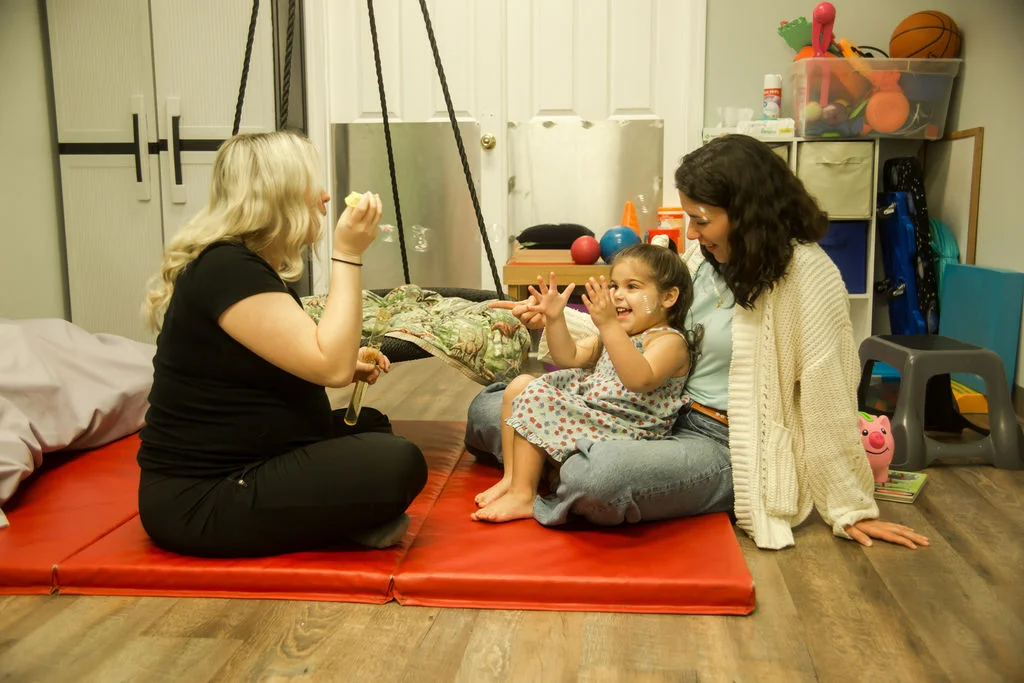
This system of rehabilitation is distinct from the one used in adults. Rehabilitation sessions in children include lots of games. For instance, a physical therapist may turn a balancing beam into the pirate planks or use a swing to develop the child’s trunk control, since it is proved that children engaged in an entertaining game, perform tasks longer than kids made do exercises.
What Signs Suggest a Child Might Need Physical Therapy?
No single sign proves a problem, and kids develop their own timelines. Patterns still matter. These are worth raising with your pediatrician:
- Not sitting without support by about nine months, or not walking by about 18 months
- Walking mostly on tiptoes after age two or three
- Frequent falls, unusual clumsiness, or tiring much faster than other children
- A strong preference for one side of the body, or a head that always tilts or turns the same way
- Muscles that feel very floppy or very stiff when you hold or move your child
- Avoiding stairs, running, or climbing that other kids enjoy
- Pain, limping, or changes in movement after an injury or surgery
One item on that list is a reason to ask a question, not a reason to panic. Several together, or one that is not improving with time, is a good reason to book an evaluation.
Which Conditions Are Treated Through Physical Therapy?
What therapists do is help kids with health conditions such as cerebral palsy, Down syndrome, spina bifida, torticollis, and development coordination disorder in addition to children who don’t have specific illnesses. These therapists work with kids who have issues such as developmental delay or unusual habits of movement (an example of which might be persistent toe walking) as well. Physical therapy is also sought for treatment of other injuries such as sports injuries, fractures, or recovery after surgery.
What Happens During a Physical Therapy Session?
The first visit is an evaluation. The therapist watches your child move, checks strength and range of motion, and asks about birth history, milestones, and what you see at home. Then you set goals together. Maybe it is walking on their own by a certain age or keeping up with classmates at recess.
Regular sessions are already in place. Expect to see fun activities like obstacle courses and ball games—and lots of encouragement. Parents may also watch the sessions and receive a simple home program with a few easy exercises to be incorporated during bath or story time. That home practice counts a great deal more than most parents think because children will spend much longer time at home than at the clinic.
Why Does Starting Early Make a Difference?
Early childhood therapy has long lasting effects on young children, whose brain development and physical control systems are still in the early stages. Children who start early are able to bypass issues of smaller difficulties turning into behavioral adaptations, such as a child deciding to stop playing and socializing because they avoid movement to reduce effort. Pediatric physical therapy encompasses more than muscle control and strengthening; it is centered around increasing a child’s involvement in all areas of their life.
What is the first step?
You should consult with your physician in order to rule out any health issues and determine if you need to start looking for other healthcare specialists because your pediatric doctor might give you a referral for insurance purposes. Look for facilities that specialize in working with children exclusively and not intermittently. Find out what type of therapy evaluation is conducted there, but also how parents can participate in therapy and what approach is used to devise therapy objectives for the children.
Can Kids Pediatric Therapy Services in Cleveland, Tennessee, work with families on exactly this kind of question. Their tenured therapists bring 30+ years of pediatric experience, and the clinic accepts most major insurance plans.
Frequently Asked Questions
Do I need a physician referral for my child to attend physical therapy?
It depends on both your insurance company policies and the local laws. A quick call to both the clinic and your insurance company should save you a lot of trouble.
What is the duration of pediatric physical therapy?
It depends on individual cases. Some children might require a few months, and others will need much longer treatment periods due to serious medical conditions. In any case, a competent therapist will constantly assess the progress of the patient.
Does physical therapy hurt children?
No, it shouldn’t hurt. It is fun for kids since they play during sessions, but some stretches might hurt for a short time period.
Can I wait and see if my child catches up?
Some children do catch up on their own. The trouble is that nobody can tell ahead of time which one will. An evaluation costs little compared with months of lost progress, and the therapist can tell you when waiting is a reasonable choice.