
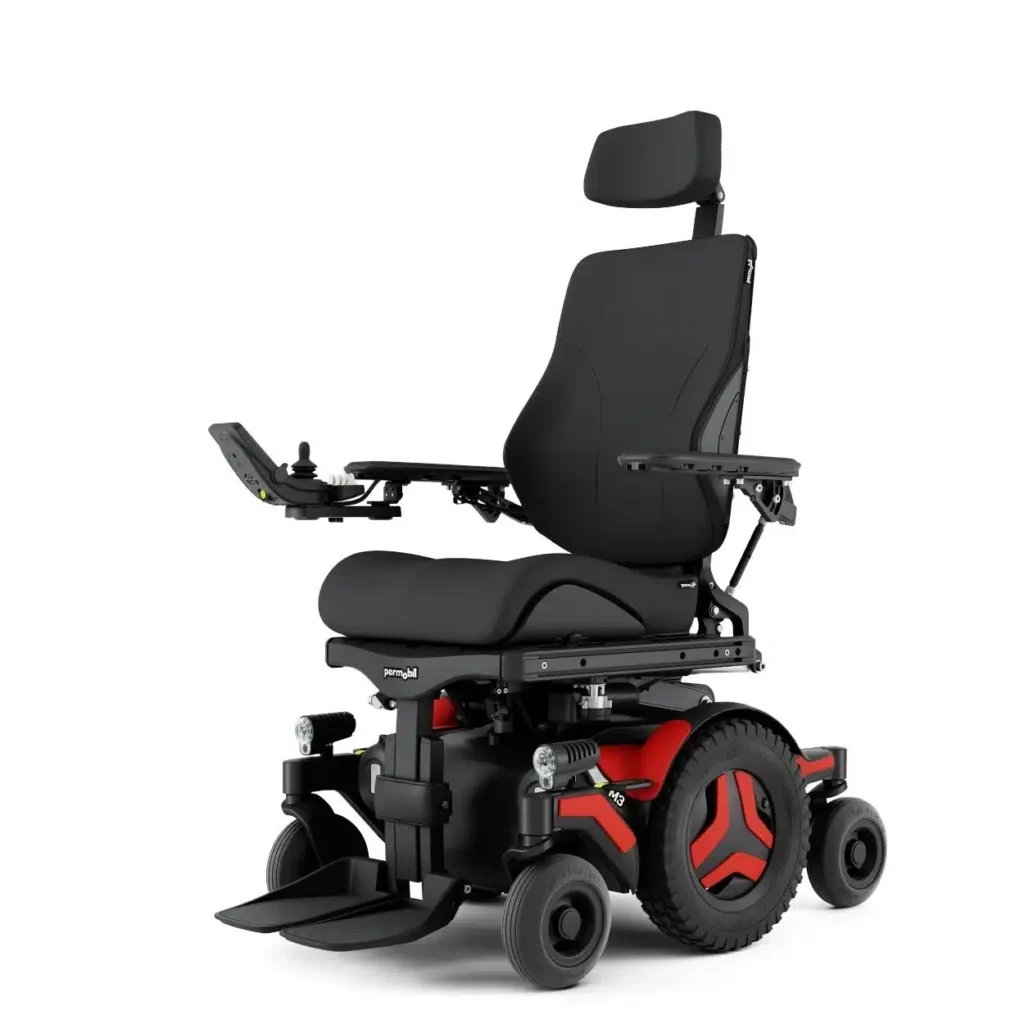
For many wheelchair users, a wheelchair is much more than a piece of medical equipment. It can be essential for getting around the home, going to work, attending appointments, shopping, traveling, and staying independent. However, wheelchairs, especially power and customized models, can be expensive. This is why understanding wheelchair insurance can be an important part of planning for long-term mobility needs.
Insurance coverage can vary depending on the type of wheelchair, the insurance plan, medical requirements, and other eligibility factors. Knowing what may be covered and what questions to ask can make the process easier and help families avoid unexpected costs.
What Is Wheelchair Insurance and Why Does It Matter?
Wheelchair insurance generally refers to insurance coverage that may help pay for a medically necessary wheelchair or related mobility equipment. Depending on the policy and the user’s circumstances, coverage may apply to manual wheelchairs, power wheelchairs, seating systems, or certain replacement components.
The key point is that coverage is not always automatic. An insurance provider may require documentation showing that the wheelchair is medically necessary and appropriate for the individual’s mobility needs.
For example, someone who cannot safely walk long distances may need a manual wheelchair for daily mobility. Another person with significant mobility limitations may require a power wheelchair with customized seating and positioning features.
Understanding the difference between basic equipment and medically necessary customized equipment can help when discussing coverage with an insurance provider.
What Can Wheelchair Insurance Potentially Cover?
The exact benefits depend on the insurance plan, but coverage may extend beyond the wheelchair itself. Some policies may provide benefits for certain accessories, repairs, or replacement parts when they meet the plan’s requirements.
Common areas that may be considered include:
- Manual or power wheelchairs, depending on medical necessity and policy requirements.
For example, a person using a power wheelchair may eventually need a replacement battery, joystick, cushion, or other component. Whether these expenses are covered can depend on the policy, equipment specifications, and approval process.
It is also important to understand that not every feature is necessarily covered simply because it is available for a wheelchair. A highly customized wheelchair may include specialized components designed for an individual’s posture, comfort, safety, or daily activities. Documentation from healthcare and mobility professionals can be important when establishing why those features are needed.
How Does Wheelchair Insurance Work for Customized Mobility Equipment?
Customized wheelchairs can be more complicated than standard mobility equipment because they are often designed around the user’s specific physical and functional requirements.
For example, someone who needs additional positioning support may require a specialized seating system rather than a standard wheelchair cushion. A person who has very limited upper-body strength may need power controls that are different from those used on a standard power wheelchair.
In these situations, the insurance process may involve medical records, prescriptions, evaluations, equipment recommendations, and supporting documentation. The goal is generally to demonstrate that the requested equipment is appropriate for the person’s functional needs rather than simply being an optional upgrade.
This is why working with a qualified mobility equipment provider can be helpful. They can explain the equipment options and help identify the documentation that may be needed for the insurance process.
What Information May Be Needed for a Wheelchair Insurance Claim?
Before submitting a request, it is useful to understand what information the insurance provider may ask for. Requirements can differ significantly between plans, so checking directly with the insurer is important.
Documentation may include a prescription or recommendation from a qualified healthcare professional, medical records describing mobility limitations, an assessment of daily activities, and information about the recommended wheelchair.
For example, if someone cannot safely move around their home using a standard mobility aid, their healthcare provider may document why a wheelchair is necessary and what type of equipment is appropriate.
Keeping copies of medical documentation, insurance communications, estimates, and approval letters can also make it easier to track the process.
Pro Tip: Before purchasing expensive mobility equipment, contact the insurance provider and ask whether prior authorization is required. Buying equipment first and asking about coverage later could create unnecessary financial problems if the purchase does not meet the plan’s requirements.
What If Your Wheelchair Needs Repairs or Replacement?
Wheelchairs are used frequently, so normal wear and unexpected damage can eventually affect their performance. Wheels, batteries, cushions, tires, controls, and other components may need maintenance or replacement over time.
Some insurance plans may provide coverage for certain repairs or replacement components when eligibility requirements are met. However, coverage can depend on the reason for the repair, the age of the equipment, previous claims, and the specific terms of the policy.
Consider a power wheelchair that suddenly develops a battery problem. Instead of immediately purchasing a new battery, the user can first check whether the equipment is still under warranty and then contact the appropriate insurance provider or equipment supplier to understand the available options.
How Can Families Prepare for the Insurance Process?
Preparing ahead can make the process less stressful. Start by understanding the user’s current mobility needs and the type of equipment recommended by their healthcare or mobility professional.
It can also help to ask practical questions before moving forward:
- Is the wheelchair covered under the current insurance plan?
- Does the plan require prior authorization?
- Is a specific supplier required?
- What documentation is needed?
- Are repairs and replacement parts covered?
- Are there deductibles, copayments, or other out-of-pocket expenses?
Having clear answers to these questions can help families make informed decisions rather than discovering limitations after an order has been placed.
Choosing the Right Mobility Equipment
Insurance coverage is only one part of choosing a wheelchair. The equipment should also match the person’s lifestyle, physical requirements, environment, and long-term mobility goals.
For instance, someone who spends most of the day at home may have different requirements from someone who travels frequently or needs a wheelchair for work and community activities. A wheelchair that looks suitable on paper may not be practical for every environment.
A professional mobility assessment can help identify appropriate features such as seating support, maneuverability, power controls, weight capacity, portability, and positioning options.
Conclusion
Understanding wheelchair insurance can make the process of obtaining necessary mobility equipment more manageable. Coverage, eligibility, documentation, and out-of-pocket costs can vary, so it is important to review the specific requirements of the insurance plan before making a purchase.
Whether someone needs a manual wheelchair, power wheelchair, customized seating, or replacement components, planning ahead and keeping proper documentation can help reduce unnecessary complications. Most importantly, the focus should remain on finding mobility equipment that supports safety, independence, comfort, and everyday life.